Free SSC Practice Papers — Build Speed and Accuracy
Regular practice is what turns exam-day nerves into confidence. Our free practice papers are designed to mirror the actual SSC exam pattern — covering Quantitative Aptitude, Reasoning, English Language and General Awareness — so you can test yourself under realistic conditions before you sit for SSC CGL, CHSL, MTS, GD or any other SSC exam. Every paper on this page is built by studying years of previous SSC question papers, so the difficulty level, question style and time pressure closely match what you will actually face on exam day.
Topic-wise and Full-Length Practice Sets
Each practice paper on this page either focuses on a single topic, such as Percentage, Series or Reading Comprehension, or simulates a complete exam with the correct number of questions and time limit for your target exam. Topic-wise sets are ideal when you want to strengthen a specific weak area without the pressure of a full exam, while full-length papers help you build the stamina and time management needed to complete an entire section within the allotted time. Most aspirants benefit from starting with topic-wise sets in the early weeks of preparation and gradually shifting to full-length papers as the exam date approaches.
Quantitative Aptitude Practice
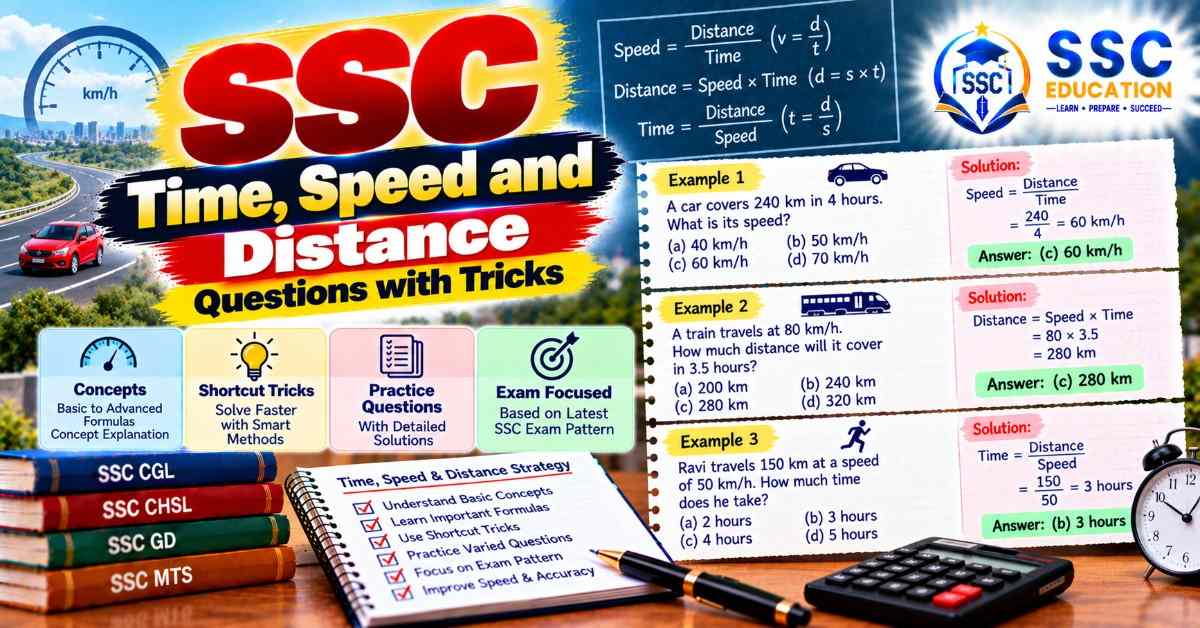
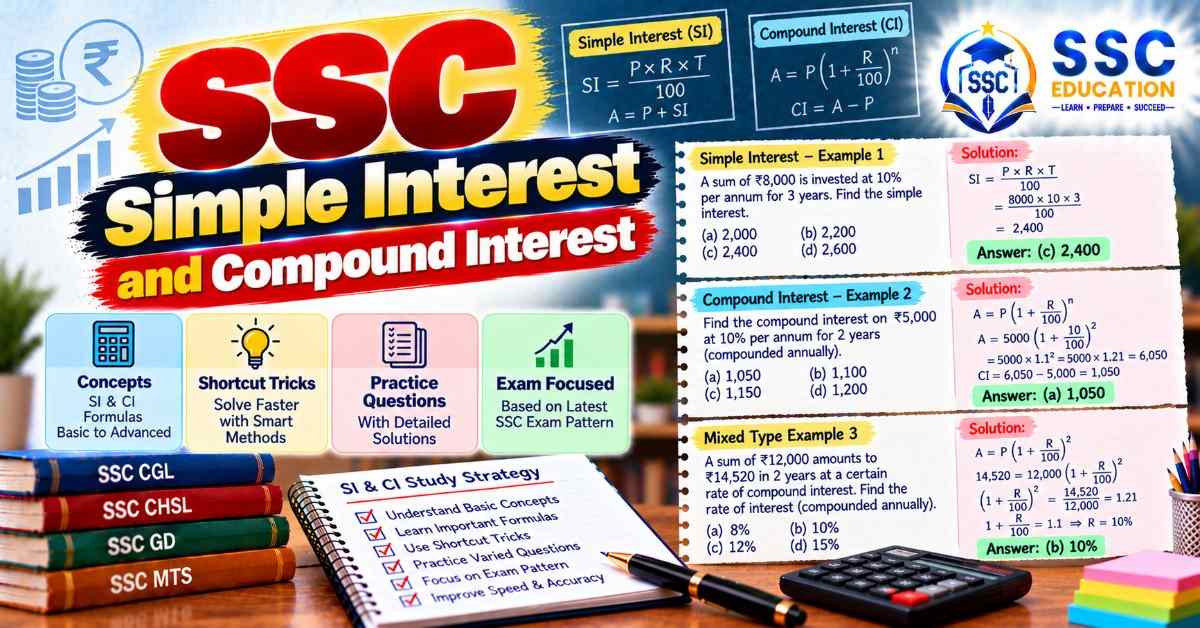
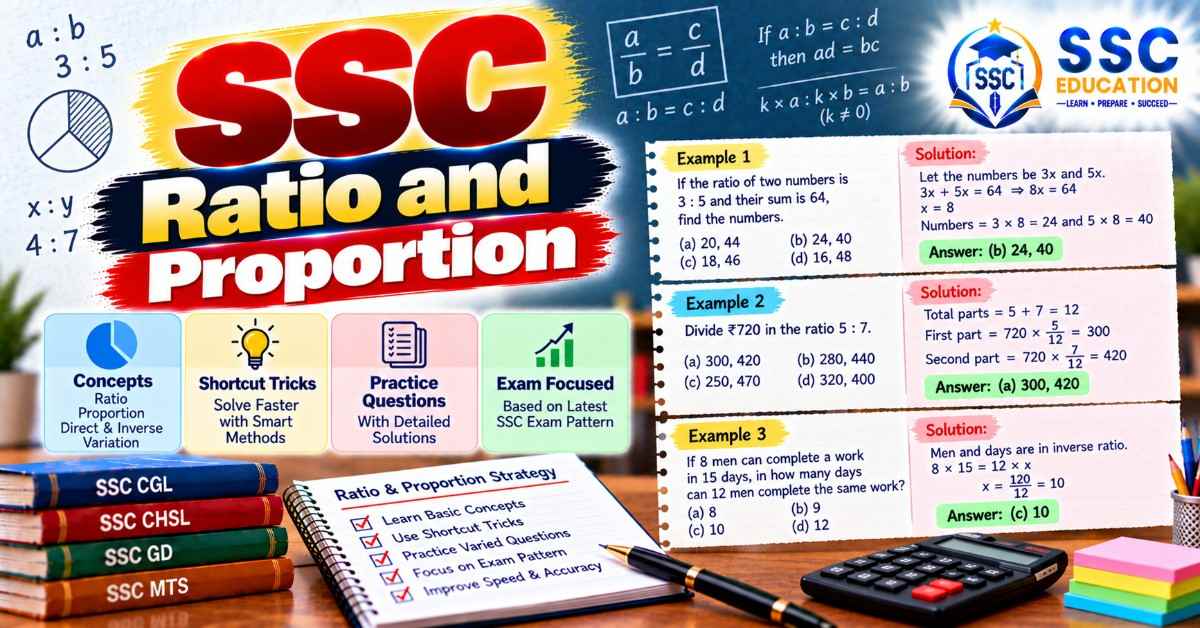
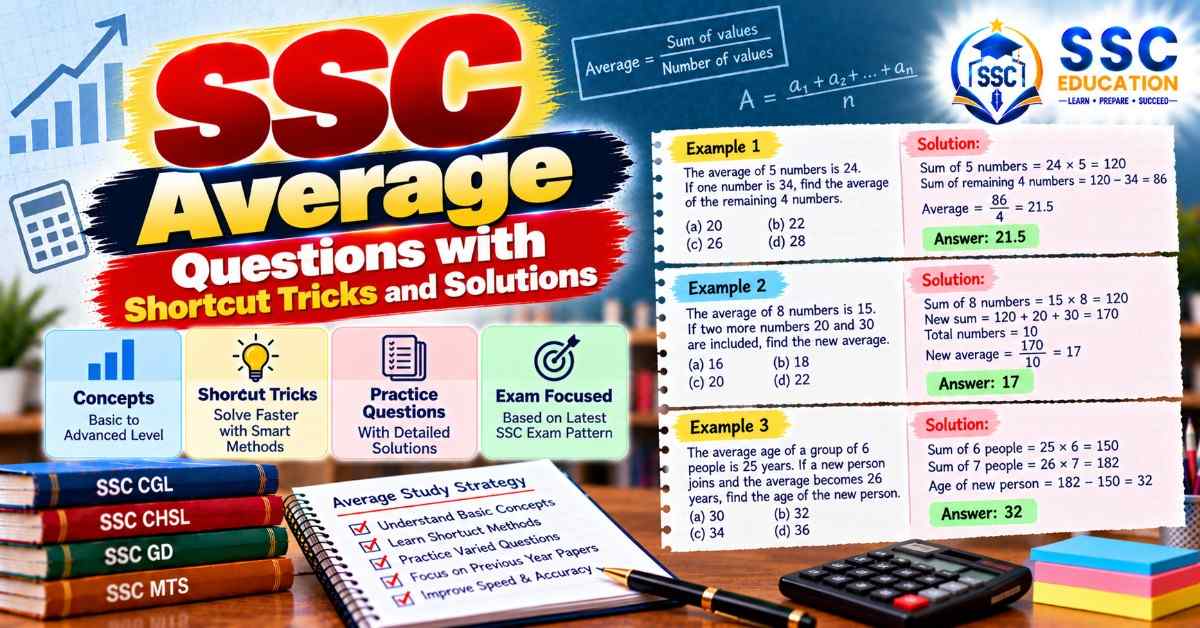
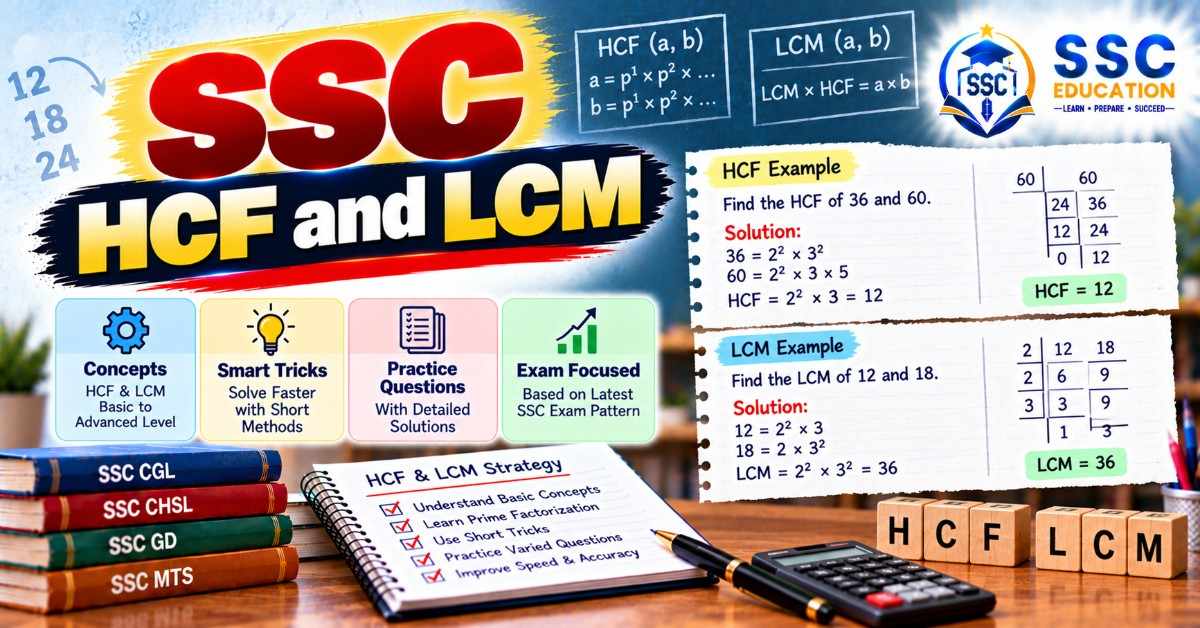
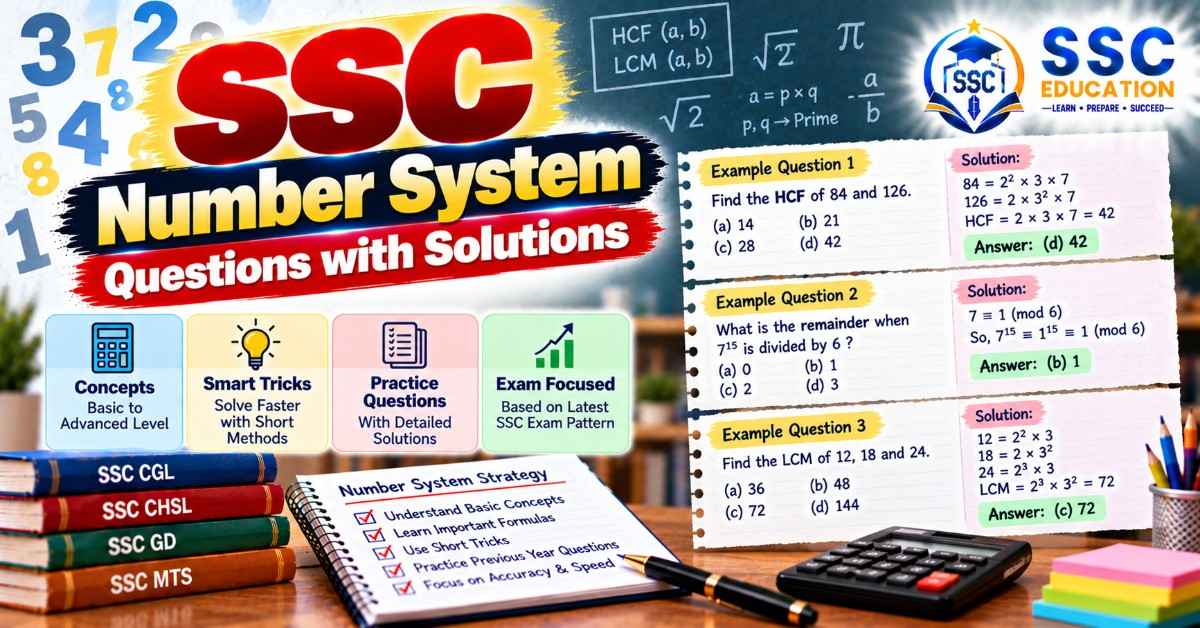
Our Quant practice papers cover Number System, Percentage, Profit and Loss, Time and Work, Time Speed and Distance, Simple and Compound Interest, Geometry, Mensuration, Algebra and Data Interpretation. Each set is designed to test not just whether you know the formula, but whether you can apply it quickly under time pressure — which is exactly what separates a good score from an average one in the actual exam.
Reasoning Practice
Reasoning papers focus on Analogy, Coding-Decoding, Number and Letter Series, Blood Relations, Syllogism, Seating Arrangement, Puzzles and Non-Verbal Reasoning. These sets are structured to gradually increase in difficulty, helping you build the pattern-recognition speed that reasoning sections demand, since most reasoning questions can be solved quickly once you spot the underlying logic.
English Language Practice
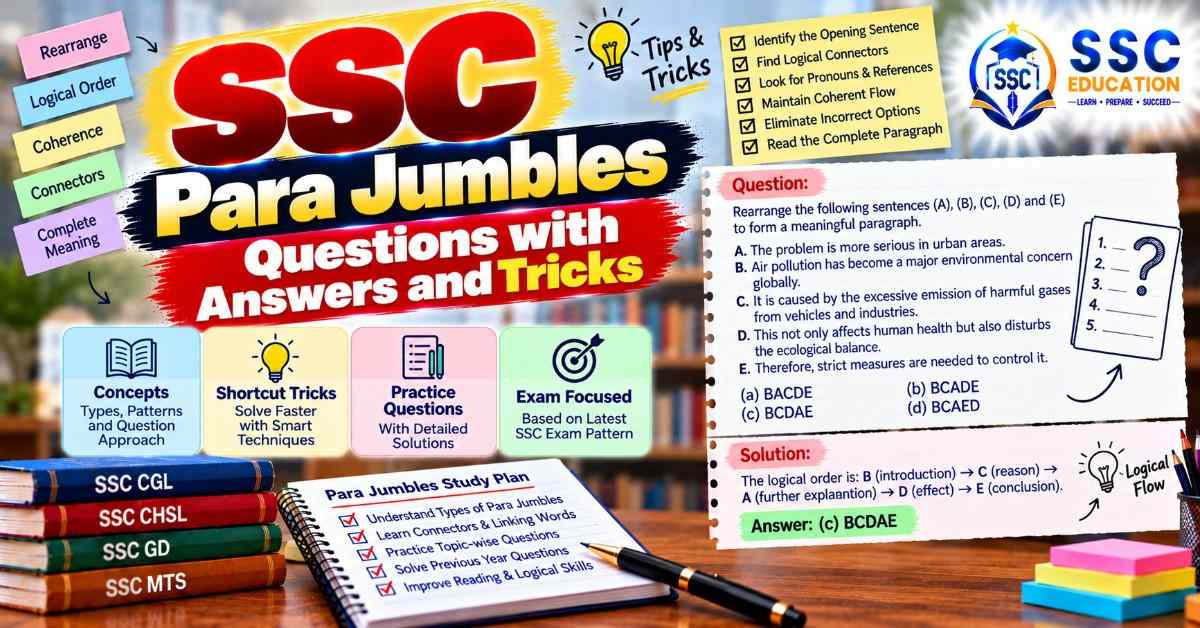
English practice papers cover Grammar, Vocabulary, Reading Comprehension, Cloze Test, Error Spotting, Sentence Improvement, Para Jumbles and Idioms and Phrases. Regular practice in this section is often the fastest way to improve your overall score, since English questions can usually be answered quickly once your grammar fundamentals and vocabulary are strong.
General Awareness Practice
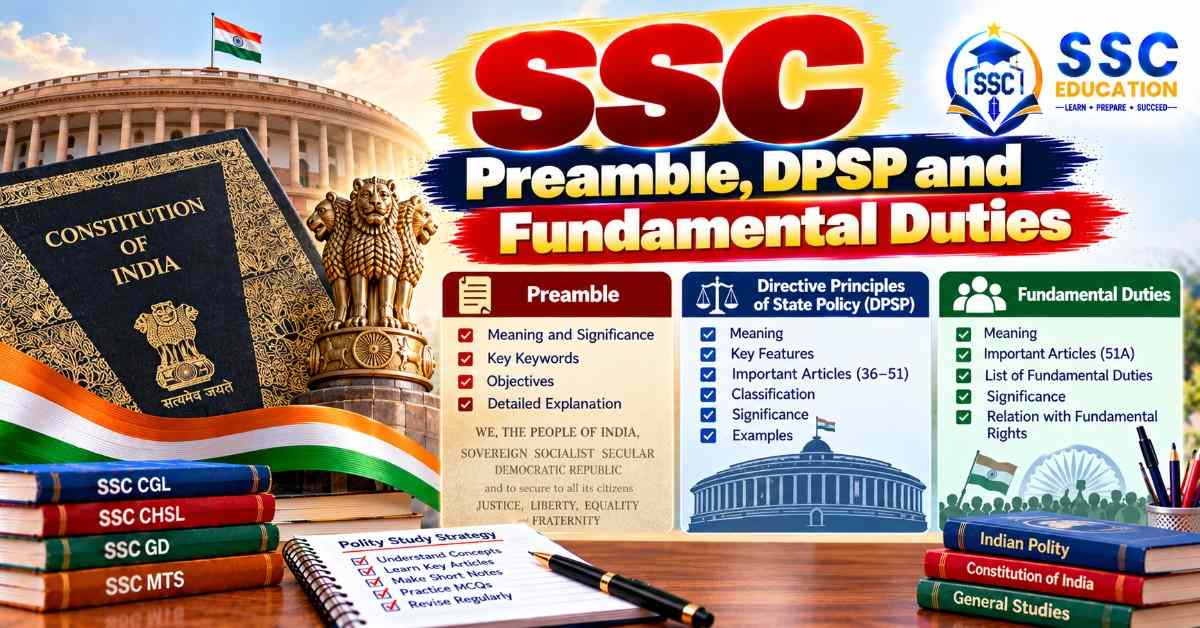
General Awareness sets combine static GK, current affairs, history, polity, geography, economics and science questions in the same proportion typically seen in SSC exams. Attempting these regularly helps you identify gaps in your knowledge base early, giving you time to fill them before the actual exam rather than discovering weak areas on exam day.
Why Practice Papers Work
Reading notes and watching explanations builds understanding, but only active practice under exam-like conditions builds speed and accuracy. Practice papers force you to apply what you have learned within a time limit, which is exactly the skill tested on exam day. Attempting papers regularly also helps you identify recurring mistakes, whether it is a specific topic you consistently get wrong or a tendency to spend too much time on certain question types, so you can correct these patterns well before your actual exam. Research on exam preparation consistently shows that active recall and timed practice outperform passive revision, which is why practice papers should form the core of your final months of preparation rather than an occasional add-on.
How to Use Practice Papers Effectively
Always attempt a practice paper under strict timed conditions, exactly as you would in the real exam, rather than pausing the timer or looking up answers midway. After completing a paper, review every question carefully — not just the ones you got wrong, but also the ones you guessed correctly, since a lucky guess still represents a gap in your understanding. Track your score and accuracy over successive attempts to see genuine improvement over time, and revisit topics where your accuracy remains consistently low. Keep a simple log of your scores across sections so you can spot trends — for example, if your Quant score is improving but Reasoning has plateaued, that tells you exactly where to focus your next week of preparation.
Common Mistakes to Avoid
Many aspirants attempt practice papers without a timer, which defeats the entire purpose since speed is as important as accuracy in SSC exams. Others only attempt papers in subjects they are already strong in, avoiding the sections that make them uncomfortable — this feels productive in the short term but leaves major gaps unaddressed. Another common mistake is not reviewing wrong answers properly, simply noting the correct option without understanding why the original approach failed. Avoiding these three mistakes alone can significantly improve how much you actually gain from each practice paper you attempt.
Practice Papers Versus Full Mock Tests
While practice papers focus on specific topics or sections, full mock tests replicate the complete SSC exam experience including all sections, the exact number of questions, negative marking and overall time limit. Both formats are valuable at different stages of your preparation — practice papers help you build section-wise strength, while full mock tests test your ability to manage energy, time and focus across an entire exam sitting, which is a skill in itself.
Building a Practice Schedule
A good practice schedule balances topic-wise and full-length papers across the week, rather than randomly picking whatever paper is available. Early in your preparation, spend more time on topic-wise sets to build fundamentals in each section. As your exam date gets closer, shift toward full-length, timed papers that simulate the complete exam experience, including breaks and section order, so that exam day itself feels familiar rather than overwhelming.
Getting Exam-Day Ready
In the final two weeks before your exam, shift almost entirely to full-length, timed practice papers attempted at the same time of day as your actual exam slot, if known. This helps your mind and body adjust to performing at that specific time, reducing the shock of exam-day nerves. Pair this with a short revision of your weak-topic notes each morning, rather than attempting new, unfamiliar material right before the exam.
New Papers Added Regularly, Always Free
New practice papers are added regularly across every topic and exam category, and every set on this page is completely free to attempt with no signup required. Make practice papers a consistent part of your weekly study routine alongside your notes and previous year papers, rather than treating them as an occasional activity only closer to your exam date.
Frequently Asked Questions About SSC Practice Papers
Are these practice papers free to attempt?
Yes, every practice paper on this page is completely free to attempt, with no signup or payment required at any point.
Should I attempt topic-wise or full-length papers first?
Start with topic-wise papers to strengthen specific weak areas, then move to full-length papers closer to your exam date to build overall speed, accuracy and time management.
How is a practice paper different from a previous year paper?
Practice papers are newly created to match the current exam pattern and are ideal for regular practice, while previous year papers are the exact papers used in past official SSC exams.
How often should I attempt a practice paper?
Aim to attempt at least two to three practice papers a week during your preparation, increasing the frequency to almost daily in the final month before your exam.
Do these practice papers include solutions?
Yes, each practice paper is designed so you can review correct answers and understand your mistakes immediately after completing the set.
Should I attempt practice papers with a timer?
Yes, always attempt practice papers under strict timed conditions that match the real exam duration, since building speed under time pressure is one of the main benefits of regular practice.
What should I do after completing a practice paper?
Review every question carefully, including the ones you guessed correctly, note down the concepts behind your mistakes, and revise those specific topics before attempting your next paper.
Can I use practice papers if I am just starting my preparation?
Yes, beginners can start with topic-wise practice papers on individual chapters to build fundamentals, and gradually move to full-length papers as their preparation progresses.
Do practice papers cover all four SSC sections?
Yes, our practice papers cover Quantitative Aptitude, Reasoning, English Language and General Awareness, matching the sections tested across SSC CGL, CHSL, MTS and GD exams.
How do I track my improvement using practice papers?
Keep a simple log of your score and accuracy for each paper you attempt, and review it periodically to see which sections are improving and which still need more focused practice.
What is the difference between a practice paper and a full mock test?
A practice paper usually focuses on one topic or section, while a full mock test replicates the entire SSC exam with all sections, correct timing and negative marking in one sitting.